
DryBMS engine room and bunkering — Subject Area 17 in the DBCE framework — covers how a company runs its machinery spaces and handles fuel: procedures for the safe operation of plant, and procedures for bunkering, assessed against the same Basic-through-Excellence structure as every other subject area. DBCE’s own principle for it is short and plain: operate engine room and plant facilities effectively to prevent injury to people and damage to the environment. It’s another of DBCE’s seventeen priority areas, the same designation carried by Bridge Procedures and Standards, Cargo and Ballast and Mooring and Anchoring — the framework flagging engine room operations as an area with a potentially higher impact on injury, environmental damage and effective performance when it’s done badly.
It’s the DryBMS counterpart to the TMSA Engine Room Audit, though the match isn’t exact. TMSA Element 4 bundles maintenance, defect reporting and critical equipment into one element; DBCE splits them out, with Maintenance (14) and Critical Equipment (16) as their own subject areas. Subject Area 17 is the operational side — how the engine room is run and how fuel is taken on board.
What Basic Actually Covers
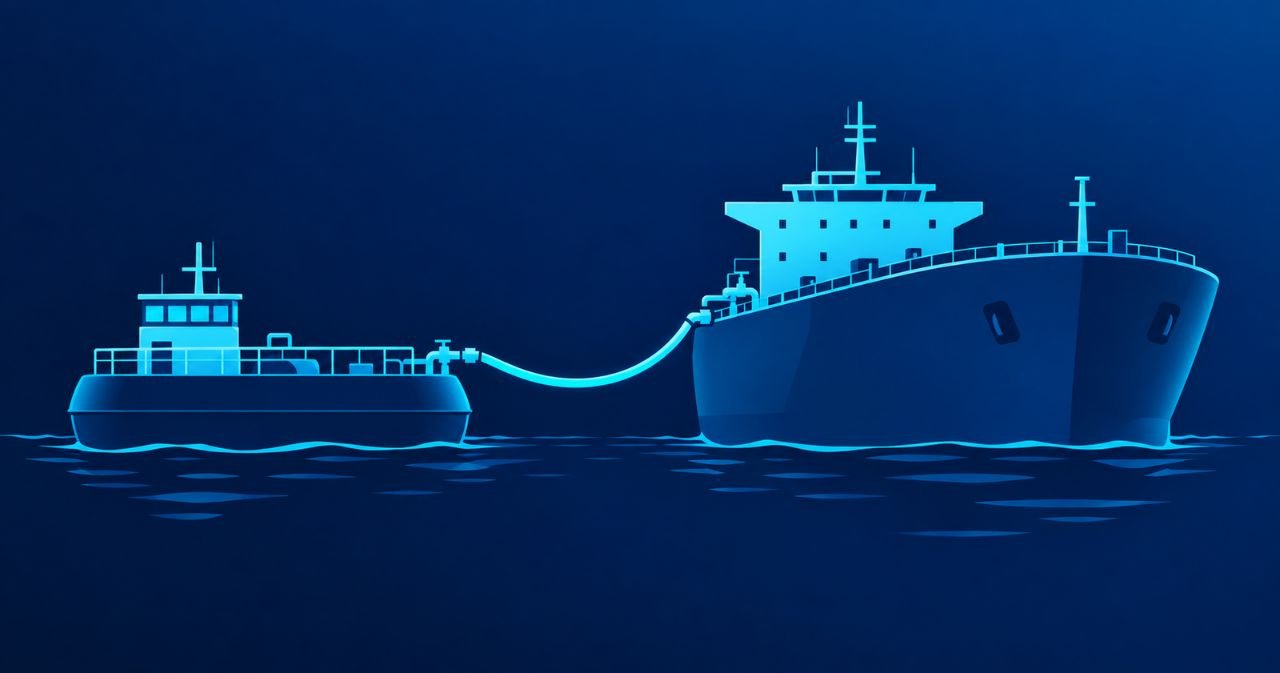
At Basic, DryBMS engine room and bunkering has two halves. The first is procedures for the safe operation of machinery and plant: engine room organisation and responsibilities, unmanned machinery space operation, manning levels for each engine room operational condition, taking over the watch, and communications with the bridge. The second is procedures for bunkers, fuel or gas as appropriate — carrying enough fuel including required reserves, maintaining fuel quality and preventing contamination, carrying out bunkering and fuel transfers safely, naming the persons responsible for those operations, and setting out fuel changeover procedures.
The safe-transfer item is more specific than it first looks. It includes the provision of safety data sheets and precautions related to H2S and benzene, which means the toxic-vapour hazards of the fuel itself sit at Basic, not as an advanced extra. The suggested evidence is mostly records: logbooks and abstracts, equipment running hours, bunker calculations and tank allocation, maximum filling levels for bunker tanks, and the requirements for entries in engine room logbooks and oil record books. Basic isn’t asking for anything exotic. It’s asking whether the operation can be reconstructed from the paper.
Intermediate and Advanced: Where the Declaration Gets Harder to Sustain
In DryBMS engine room and bunkering, Intermediate is where the chief engineer becomes part of the assurance. DBCE expects the chief engineer to carry out an engine room operations verification once per contract, following a format set by the company — so the standard comes from the shore, and the check is done by the person running the department. Bunkering procedures become comprehensive and stage-based, covering required checks pre-arrival, prior to bunkering, during bunkering and on completion, with fuel sampling, testing and storage covered as well. Standardised forms are used for planning and recording. The suggested evidence goes down to physical detail: testing of high level and overflow alarms, testing and calibration of gas testing equipment, testing of bunker pipelines, deployment of SOPEP equipment, plugging of scuppers and save-alls, manifold watch, topping off, and hose connection and disconnection.
Advanced moves the verification ashore and extends it into the fuel itself. Visiting superintendents carry out an annual verification of engine room standards against a formal checklist covering operations and practices. The company supplies compatibility test kits to its vessels and has processes for ensuring fuel stability and compatibility. And operations-level staff take an active part in planning, line setting, topping off and the calculations for bunkering operations — DBCE frames that as part of their training, with training records and appraisals as the evidence.
What Excellence Actually Requires for DryBMS Engine Room and Bunkering
Excellence in DryBMS engine room and bunkering brings in outside checks. Bunkers supplied to vessels are tested using approved laboratory fuel oil analysis, with independent laboratory analysis of fuel oil used to ensure quality. Shore personnel regularly verify bunkering operations and procedures during inspections and audits, with superintendents carrying out an annual verification of bunkering standards against a formal checklist; audit reports and inspection forms are the suggested evidence. And oil pollution drills are carried out regularly, which the target pins down to at least quarterly, with records of drills and training behind it.
The scoring is worth seeing in numbers. DBCE’s scoring methodology summary works through an example where every level is only substantially met — 75% at Basic, Intermediate, Advanced and Excellence. Because Basic isn’t fully met, the three higher levels each count for just 5% of their 75%, and the total comes to roughly 86%, or 0.86 out of a possible four — not the 3.0 that four levels at 75% might suggest. A fleet with an ambitious set of Advanced DryBMS engine room and bunkering practices but engine room logbook entries or bunker calculations that don’t fully hold up at Basic is scored on the Basic gap, not the Advanced ambition. It’s the same logic that makes over-declaring TMSA stages a bad trade.
RightShip’s RISQ (version 3.2) covers the same operation from the vetting side. Question 7.7 asks whether bunkering and oil fuel transfer procedures are carefully planned and executed to industry standards, and its guide to inspection lists what a bunkering plan should hold — plugged deck scuppers, a tank-by-tank plan with maximum filling volumes, testing of high-level alarms, who is in overall charge (usually the chief engineer) and the manning needed. Much of that is the same ground as DBCE’s Intermediate evidence. Question 7.2 adds hydrostatic testing of the bunker transfer system, and Question 7.9 covers the changeover between residual and low-sulphur or distillate fuels. Evidence built for one framework can carry across to the other, which is the case for reading them together — What a RightShip RISQ Inspection Actually Tests covers the RISQ side.
The Practical Point
Read across the four levels and one pattern stands out: at each step, the verification moves further from the person doing the job. Basic is procedures and records. Intermediate adds the chief engineer’s own check. Advanced adds the superintendent and the compatibility test kit. Excellence adds shore inspection of bunkering and an independent laboratory. A declaration at any level is only as strong as the check standing behind it, and the honest question for a self-assessment is who, other than the engine room team, has actually looked.
Bunkering is a routine operation with a non-routine downside — a transfer that goes wrong becomes a pollution event, which is why DBCE’s principle for this area names both people and the environment. A conservative, fully-evidenced Basic declaration on DryBMS engine room and bunkering, with logbooks, bunker calculations and oil record book entries that reconstruct the operation cleanly, is worth more than an aspirational Excellence claim that hasn’t been through a laboratory result or a quarterly drill record.
For a fleet running both tanker and dry bulk tonnage, TMSA and DryBMS compliance covers what both frameworks demand from the same evidence base.
If you’re working through a DryBMS self-assessment and want an independent read on where engine room operations and bunkering genuinely sit, get in touch.
More from the HSEQ Series
→ Explore our HSEQ Outsourcing Service — Get HSEQ Outsourcing Support
- TMSA Compliance: A Practical Guide to All 13 Elements, and Where DryBMS Fits
- The DryBMS Audit Planning and Close Out Standard: What Excellence Actually Requires
- The DryBMS Risk Assessment Standard: What Excellence Actually Requires
- The DryBMS Mooring and Anchoring Standard: What Excellence Actually Requires
- The DryBMS Cargo and Ballast Standard: What Excellence Actually Requires
- TMSA Self Assessment: Declare What You Can Sustain, Not What You Aspire To
- The Audit Is Closed. The Problem Isn’t.
- The Ship’s Navigational Audit Is Your First Line of Defence. Most Fleets Don’t Treat It That Way.
- The TMSA Safety Audit: What Element 9 Stage 4 Actually Requires
- The TMSA Engine Room Audit: What Element 4 Stage 4 Actually Requires
- The TMSA Mooring Audit: What Stage 4 Requires for Element 6A
- The TMSA Cargo Audit: What Stage 4 Requires for Element 6
- TMSA Navigational Audit: What Each Stage Actually Requires