
DryBMS mooring and anchoring — Subject Area 19 in the DBCE framework — covers planning and operational processes for mooring, anchoring, and safe access, assessed against the same Basic-through-Excellence structure as every other subject area. It’s another of DBCE’s seventeen priority areas, carrying the same designation as Bridge Procedures and Standards and Cargo and Ballast — DBCE’s own framework flagging mooring operations as one of the areas with the highest potential for injury if it’s done badly, which tracks: mooring stations are one of the more consistent sources of serious injury on any vessel. It’s the same subject matter the TMSA Mooring Audit covers for tankers, assessed through a different framework’s lens.
What Basic Actually Covers
Basic expects documented procedures for mooring, anchoring, and tug use, alongside separate procedures for safe access — both pilot boarding and ship-shore access. Roles, responsibilities, and training need to be defined for every mooring and anchor station, along with planning, risk assessment, toolbox talks, and PPE requirements. Mooring arrangements and layouts, snap-back areas, and anchoring methods need to be documented, not assumed to be common knowledge.
Basic also expects a maintenance programme covering all mooring, anchoring, and access equipment, and specific procedures ensuring ropes, wires, joining shackles, and stoppers are kept in good condition — stowage, inspection, and replacement, with sufficient spare moorings carried aboard rather than run down to the minimum.
Intermediate and Advanced: Where the Declaration Gets Harder to Sustain
Intermediate wants fully detailed procedures, not general guidance — specific coverage of PPE, supervision, communication, and risk assessment review for mooring operations, plus guidance on anchor scope, anchor watches, and heaving up in advance of heavy weather rather than reacting to it. It expects sufficient personnel available to tend moorings, and procedures that call for early deployment of additional moorings, calling tugs, or vacating a berth ahead of deteriorating conditions rather than after. Mooring line replacement needs its own procedure too — based on removing ropes and wires before they fail, not after.
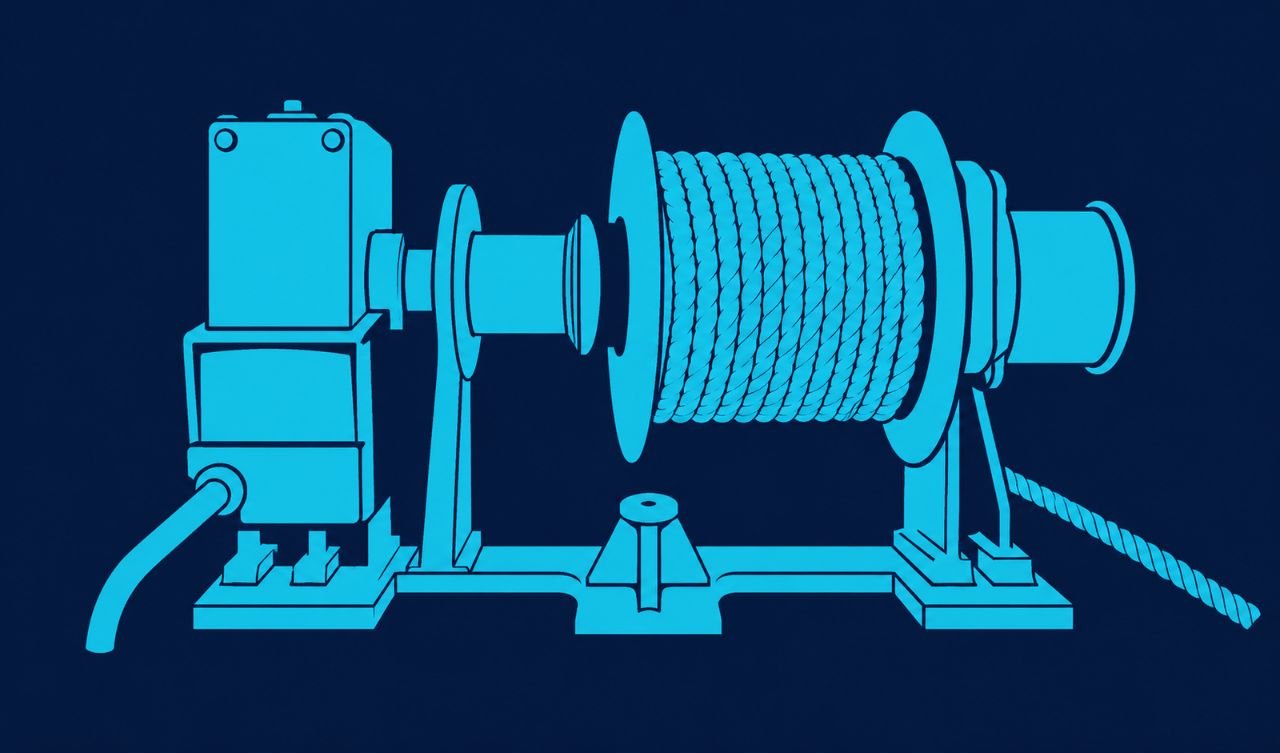
Advanced is where the standard gets specific about a failure mode that causes real injuries: mooring winch brakes need testing in accordance with the manufacturer’s or shipbuilder’s guidance, or after any repair or modification, at least annually — with the torque required to achieve correct rendering load recorded and kept on board, and visiting superintendents verifying that testing during internal audits. Advanced also expects comprehensive anchoring procedures covering cable amount, scope, holding ground, holding power, proximity to shoreline, anchoring in ballast condition, ECDIS use, deep water anchoring, anchoring off port limits, congested anchorages, and emergency anchoring and departure.
What Excellence Actually Requires for DryBMS Mooring and Anchoring
Excellence expects competent shore staff to carry out comprehensive mooring inspections and audits at regular intervals — not a general superintendent visit that happens to touch on mooring, but a dedicated review. It also expects the company to maintain and promulgate a database of port facilities and mooring requirements for every terminal its vessels call at, so a crew arriving somewhere new isn’t working from scratch.
The same scoring logic applies here as it does across every DryBMS subject area, and it’s worth repeating because it changes what a sensible declaration looks like: unless Basic scores 100%, everything above it is capped at just 5% of the self-assessed score. A fleet with genuinely advanced winch-brake testing discipline but incomplete Basic-level procedure coverage doesn’t get credit for the parts that are working — the same logic that makes over-declaring TMSA stages a bad trade.
The Practical Point
Mooring line failures and winch brake rendering issues are a well-documented source of serious crew injury across the industry — snap-back zones exist as a named hazard because ropes and wires under load have killed and maimed people when they’ve parted. That’s almost certainly why DBCE put Subject Area 19 on its priority list rather than leaving it to be scored the same as every other area. A conservative, fully-evidenced Basic declaration on mooring and anchoring procedures is worth more than an aspirational Excellence claim that hasn’t actually been tested against a winch brake rendering record.
For a fleet running both tanker and dry bulk tonnage, TMSA and DryBMS compliance covers what both frameworks demand from the same evidence base.
If you’re working through a DryBMS self-assessment and want an independent read on where mooring and anchoring operations genuinely sit, get in touch.
More from the HSEQ Series
→ Explore our HSEQ Outsourcing Service — Get HSEQ Outsourcing Support
- TMSA Compliance: A Practical Guide to All 13 Elements, and Where DryBMS Fits
- The DryBMS Audit Planning and Close Out Standard: What Excellence Actually Requires
- The DryBMS Engine Room and Bunkering Standard: What Excellence Actually Requires
- The DryBMS Risk Assessment Standard: What Excellence Actually Requires
- The DryBMS Cargo and Ballast Standard: What Excellence Actually Requires
- TMSA Self Assessment: Declare What You Can Sustain, Not What You Aspire To
- The Audit Is Closed. The Problem Isn’t.
- The Ship’s Navigational Audit Is Your First Line of Defence. Most Fleets Don’t Treat It That Way.
- The TMSA Safety Audit: What Element 9 Stage 4 Actually Requires
- The TMSA Engine Room Audit: What Element 4 Stage 4 Actually Requires
- The TMSA Mooring Audit: What Stage 4 Requires for Element 6A
- The TMSA Cargo Audit: What Stage 4 Requires for Element 6
- TMSA Navigational Audit: What Each Stage Actually Requires