
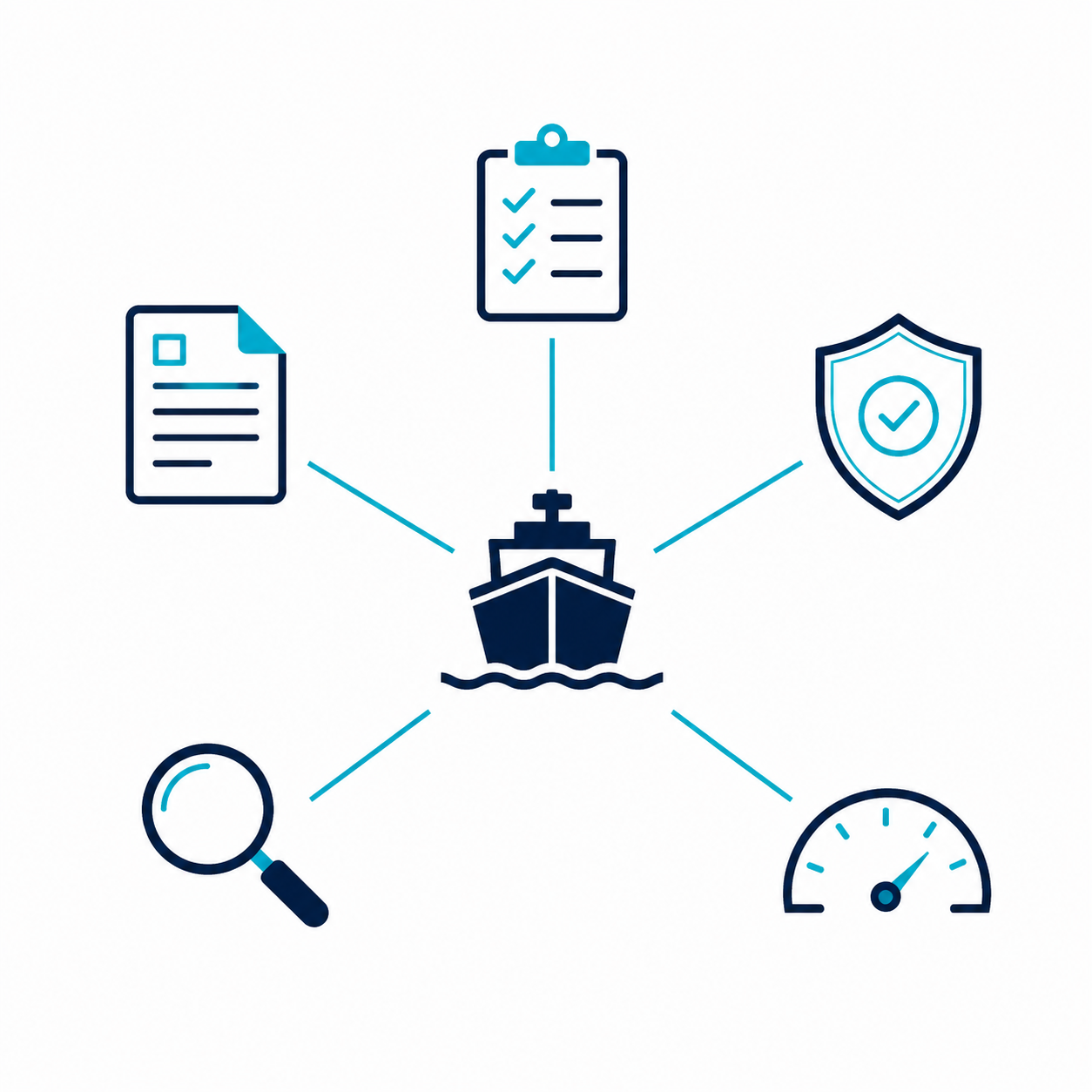
A worn mooring winch doesn’t know which framework is inspecting it. But by the time it’s been through a TMSA self-assessment, a RISQ or SIRE inspection, and a PSC visit, it’s been recorded as four or five separate vetting inspection findings — each in its own taxonomy, none of them cross-referencing the others, and nothing in any single system telling a superintendent it’s the same underlying gap being found again.
That’s not a hypothetical. It’s the ordinary consequence of running a fleet against multiple vetting regimes that were each built independently, for different audiences, on different structures — and it happens with almost every recurring category of deficiency a fleet actually sees, not just the obvious ones.
The Same Deficiency, Five Different Labels
Take mooring equipment condition first, since it’s a genuine cross-cutting theme across nearly every framework a fleet answers to. TMSA Element 6A asks about mooring equipment maintenance and record-keeping as part of a staged self-assessment against the company’s own SMS. RISQ asks its own version, structured around statutory and recommended items with its own guide-to-inspection notes. SIRE 2.0 asks a structurally different question again, built around the newer risk-based data format OCIMF introduced specifically to move away from the older checklist style. PSC, meanwhile, records any mooring-related deficiency against the relevant SOLAS or classification requirement it breaches, using its own deficiency framework entirely separate from any of the above.
Navigation equipment findings follow the identical pattern. An ECDIS alarm-management gap gets picked up differently depending on which lens is looking at it — a TMSA navigational audit assesses it against the company’s own bridge procedures, a RISQ or SIRE inspection records it against its own navigation-specific questions, and a PSC officer records any resulting deficiency against the applicable SOLAS chapter, with no reference back to what either vetting inspection already found. Four frameworks, four different questions, four different ways of recording essentially the same underlying gap.
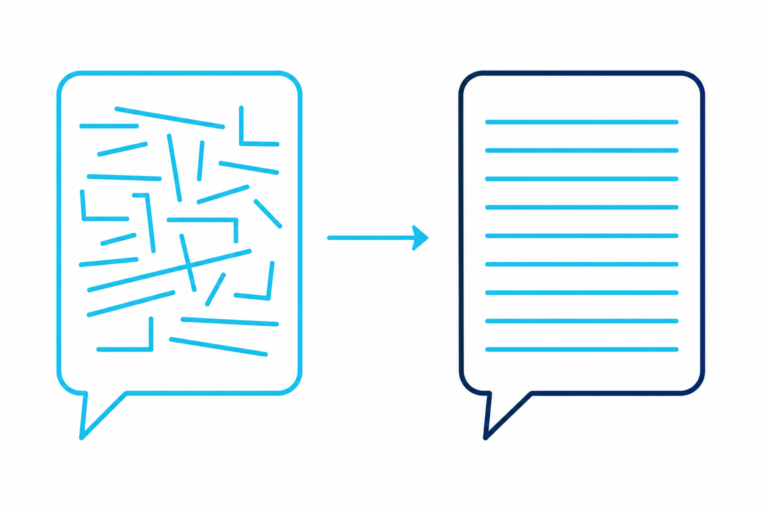
A superintendent working through vetting inspection findings one system at a time has no built-in reason to notice that the RISQ finding from March and the PSC deficiency from June are describing the same underlying maintenance or procedural gap, because nothing in either system is built to say so. Each finding closes on its own terms, in its own record, against its own framework’s language.
What Reconciling These Findings Actually Takes
In practice, the only way this connection gets made today is manually — a superintendent or DPA reading through the RISQ report, the PSC deficiency list, and the TMSA self-assessment output separately, and recognising from memory or from re-reading that two differently worded findings are actually describing the same thing. That’s realistic for a single vessel with a handful of recent inspections. It stops being realistic at the fleet level, across twelve months of RISQ, SIRE, PSC, and internal audit findings for ten or fifteen vessels, which is exactly the scale where the pattern matters most and where manual reconciliation is least likely to actually happen consistently.
The result is that fleet-wide learning depends heavily on whoever happens to be doing the reviewing, and on how much time they have to cross-reference records that were never designed to be cross-referenced. A conscientious superintendent might catch the pattern. A busy one, working through a stack of vetting inspection findings during a normal reporting cycle, has every reason not to.
Why This Isn’t a Minor Inconvenience
TMSA Element 12 exists precisely because this kind of pattern needs to be visible — the element requires companies to analyse trends across the fleet, not just close individual findings one at a time. But trend analysis depends on being able to recognise that separate findings are actually the same thing recurring. If mooring-related or navigation-related vetting inspection findings are sitting in three or four separate systems under three or four separate labels, “trend analysis” in practice means someone manually reading through everything and recognising the pattern themselves — which is exactly the manual reconciliation work that makes fleet-wide learning slow, inconsistent, and dependent on whoever happens to be doing the reviewing.
The practical cost isn’t abstract. A vessel that’s had the same underlying mooring gap flagged under RISQ, then SIRE, then PSC, hasn’t had three unrelated problems — it’s had one problem missed three times, because each inspection closed its own finding without anyone connecting it to the others. Multiply that across a fleet of ten or fifteen vessels and multiple inspection cycles a year, and the number of vetting inspection findings that are actually repeat occurrences, rather than genuinely new issues, is almost certainly higher than any single framework’s records would suggest on their own.
Where MarineKPI Fits In
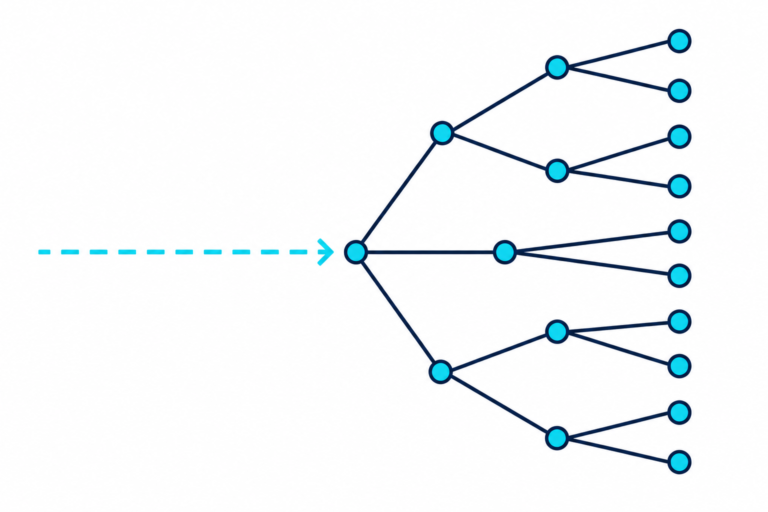
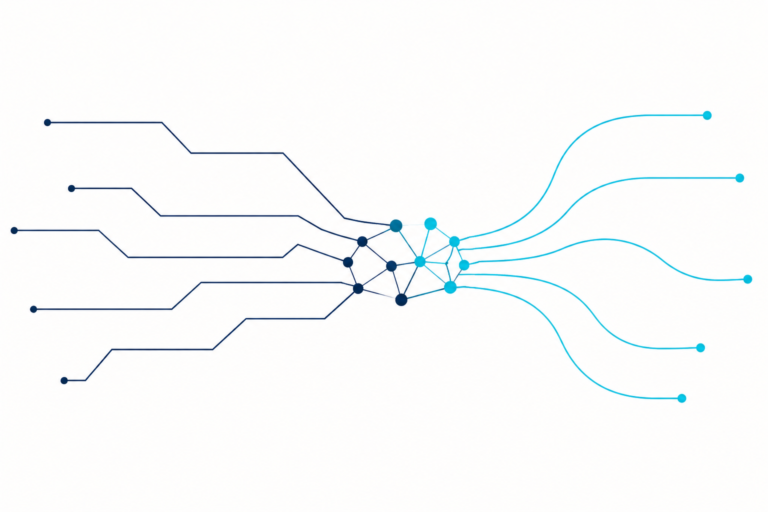
This is the specific gap a structured, cross-referenced inspection record closes. Rather than treating each framework’s vetting inspection findings as separate records in separate systems, findings get logged against a common taxonomy as they’re entered — so a mooring-related RISQ finding and a mooring-related PSC deficiency on the same vessel surface as connected, not as two unrelated line items a superintendent has to notice independently. That’s what makes TMSA Element 12’s actual requirement — genuine trend analysis, not just individual finding closeout — something a fleet can produce rather than reconstruct from memory and manual cross-checking.
The Practical Point
None of this requires the frameworks themselves to change. TMSA, RISQ, SIRE 2.0, and PSC will keep their own structures, their own audiences, and their own reasons for existing separately. The fix isn’t harmonising the frameworks — it’s making sure vetting inspection findings from all of them land somewhere they can be read together, so the same recurring gap gets recognised as one problem the second time it appears, not the fourth.
More from the MarineKPI Series
- The Officer Wrote It Correctly. The Auditor Can’t Read It: The Language Barrier in RISQ Findings
- Root Cause Analysis in Shipping: Why 5 Whys Stops Where MSCAT Keeps Going
- The RISQ DryBMS Question Nobody Has to Verify — Yet
- TMSA and DryBMS Compliance: What Both Standards Actually Require From Your Evidence