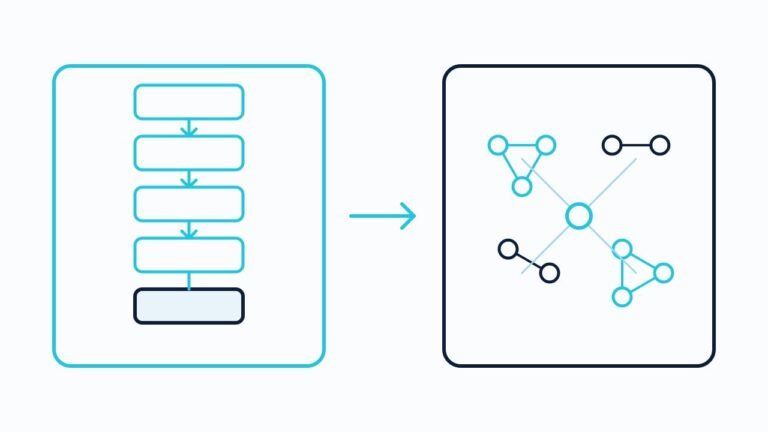
Your Incident Form Asks for a Cause. That Question Is the Problem.
Every incident form asks the reporter to pick a cause from a list. Why that list shapes what a company learns, with reference to the 2026 DNV and Equinor CLUE report.
Every incident form asks the reporter to pick a cause from a list. Why that list shapes what a company learns, with reference to the 2026 DNV and Equinor CLUE report.
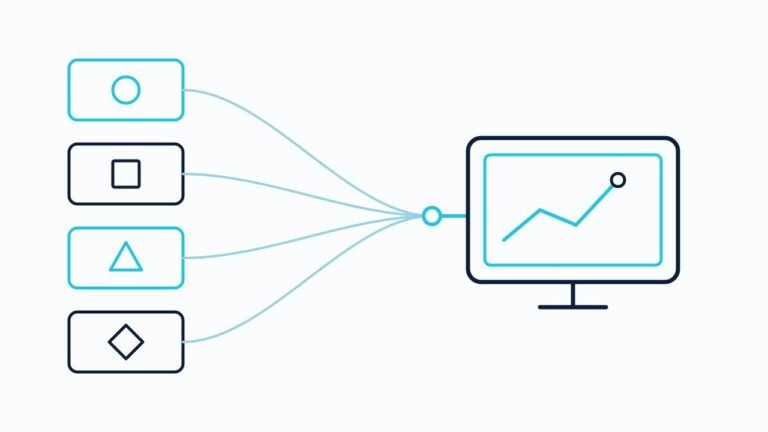
One ECDIS problem, three vocabularies. How PSC code 10112, SIRE 4.1.1 and RISQ 2.14 each record the same underlying deficiency, and why vessel findings rarely line up across inspections.
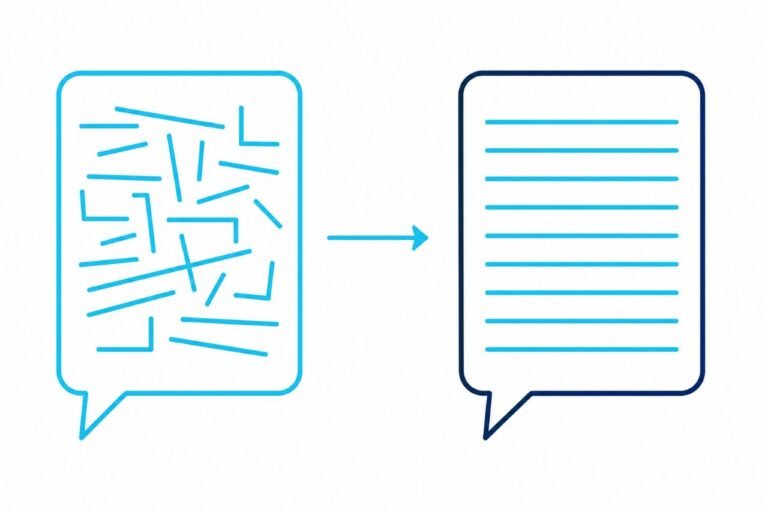
RISQ question 2.3 asks whether all crew can communicate effectively in the working language of the ship, and its guide goes further. The language barrier in RISQ findings and what the inspector is told to record.
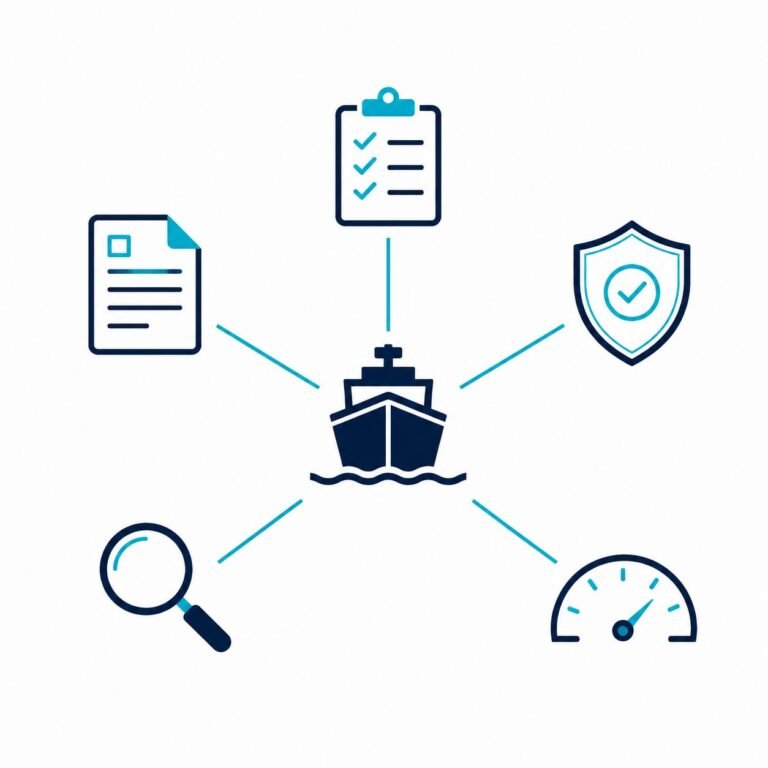
One worn mooring winch can be recorded as four or five separate findings across TMSA, RISQ, SIRE and PSC, each in its own taxonomy. Why vetting inspection findings do not line up.
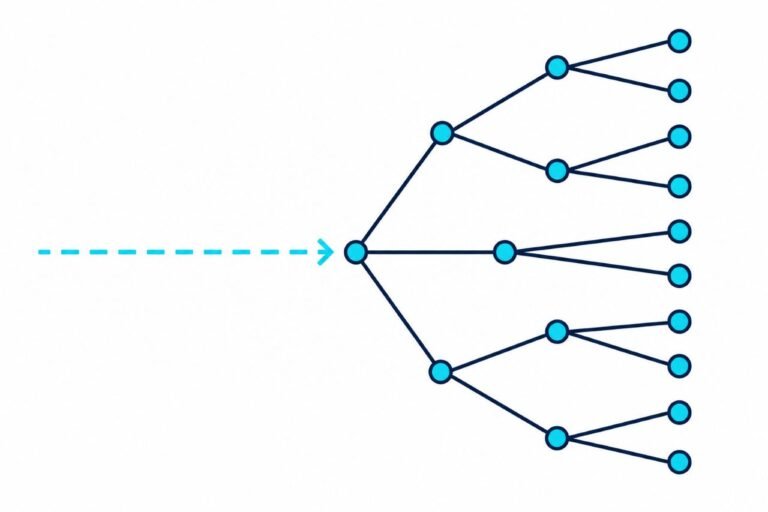
Root cause analysis in shipping often stops at 5 Whys, where methods such as MSCAT keep going. What that difference means for how incidents and deficiencies are investigated.
RISQ 3.2 questions 1.29.1 and 1.29.2 ask whether the manager subscribes to the Dry Bulk Centre of Excellence and has completed a DryBMS self-assessment. What they ask, and why nobody has to verify the answer yet.
TMSA and DryBMS compliance both rest on self-assessment against a maturity model with evidence-based scoring. What the two standards actually require of a company's evidence.