
Working language is a defined obligation, not a courtesy. ISM 6.6 requires the Company to establish procedures by which ship’s personnel receive relevant SMS information in a working language or languages they understand. Clause 6.7 goes further, requiring that personnel be able to communicate effectively in the execution of their duties related to the SMS — not just receive information passively, but use it. Most fleets satisfy the first half of that well. The manual gets translated, or a summary does, and that closes 6.6 on paper. What it doesn’t close is 6.7, and the reason is simple: nobody translated the search box.
Three Moments, Not One
There are three separate points where language creates friction in an SMS, and they’re easy to collapse into one problem when they’re actually three. The first is reading — whether a crew member can understand the manual itself, which is what working language translation is built to solve, and where the gap usually shows up as a document written in English that nobody below senior rank reads comfortably. The second is writing — whether a crew member can produce a closeout response or a finding write-up in English clear enough that an inspector reads the same reasoning the officer actually had, which is where a rushed second-language write-up under a fifteen-day deadline does real damage to a technically sound answer.
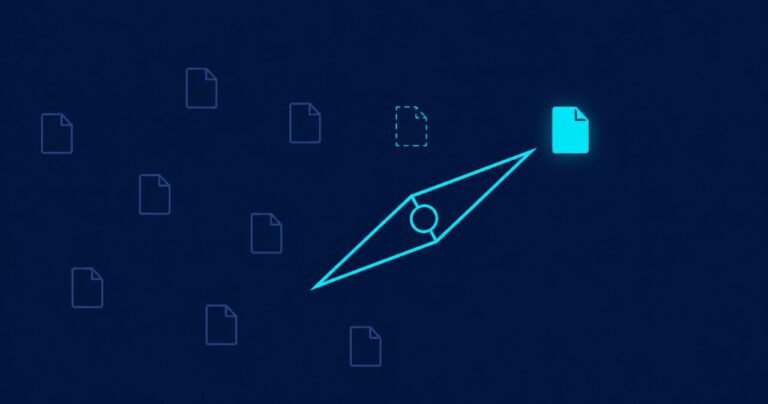
The third is asking, and it’s the one that gets skipped. A working language SMS and a well-written closeout response both assume the crew member already knows which section of the manual applies. Before either of those moments happens, someone has to find the right procedure in the first place — and that means searching, in whatever language they’re actually thinking in under pressure, for a document that was very likely written in a different one. Translating the manual doesn’t touch this. Coaching better English writing doesn’t touch this either. It’s a distinct gap because it happens before either of the other two.
Where Wayfinder Fits In
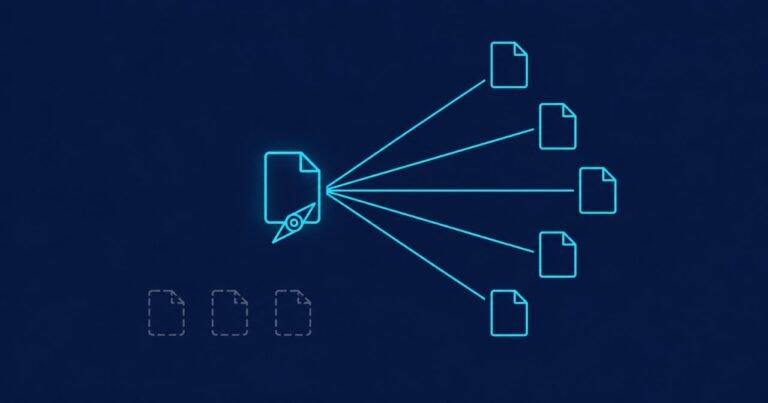
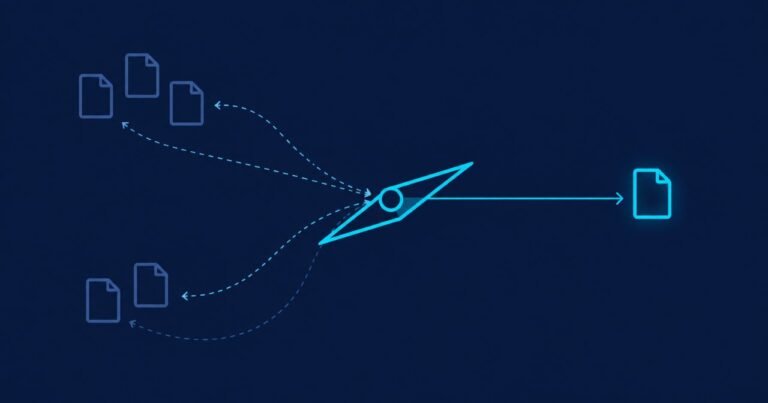
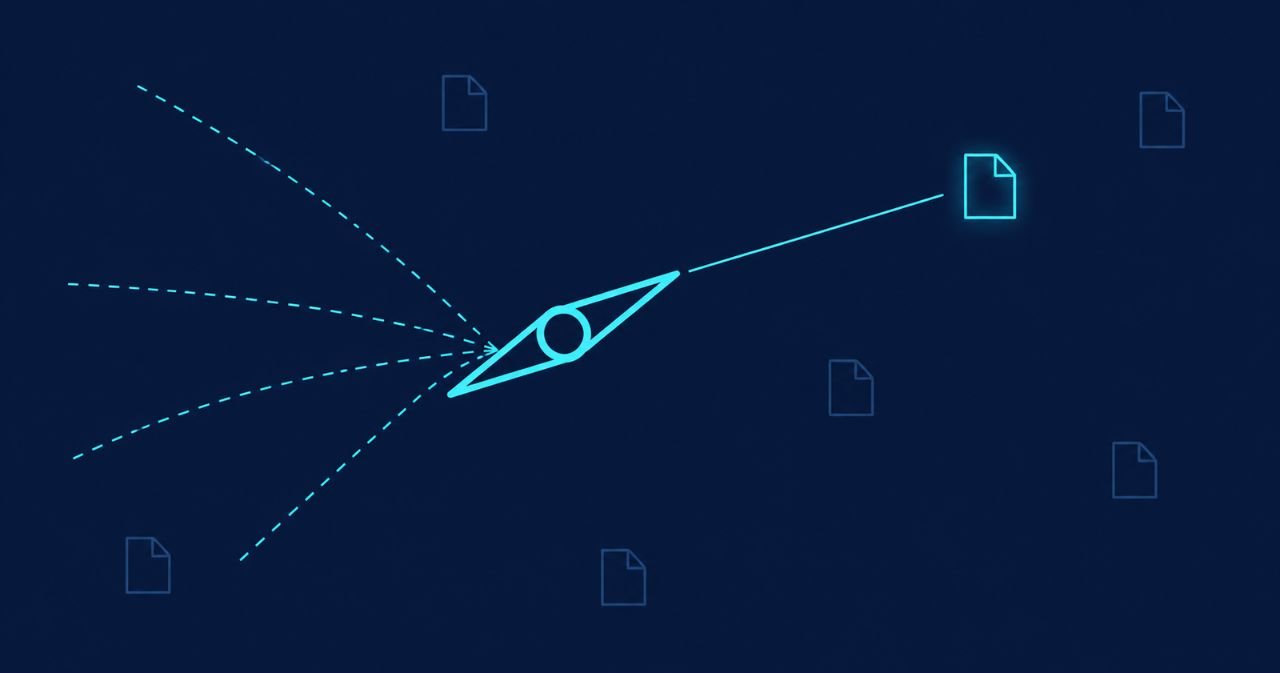
This is the specific moment Wayfinder is built for, and it’s worth being precise about which of the three moments that is. It isn’t rewriting the manual into multiple languages — that’s a document-translation project, not a search problem. It isn’t cleaning up a finding write-up for an inspector either, which is a real and separate capability that already exists on the reporting side of the wider platform family. What it does is let a crew member search in the language they’d actually use on the spot — Hindi, Tagalog, mixed-language notes, whatever it is — and get back a grounded answer translated into that same language, the way the fire flap valve example worked in the piece on objective evidence. Keyword match is tried first, same as always; AI only carries the translation load when the question and the manual don’t share wording to begin with.
None of that replaces getting the SMS itself properly translated under 6.6, and it isn’t a substitute for training crew to write clean English closeouts either. It closes the gap sitting in front of both — the moment before either one starts, where someone still has to find the section they’re about to read or write about.
The Practical Point
A working language policy that stops at the document has covered exactly one of the three moments where language actually costs time. The manual can be flawlessly translated and the closeout writing coached to a high standard, and the fleet can still lose the two minutes that mattered because nobody addressed the moment in between — the one where a crew member is searching, not reading or writing, for a procedure in a language the manual wasn’t written in.
See how Wayfinder handles a query in your crew’s own language →
More from the Wayfinder Series
→ Explore the Wayfinder Platform — See Wayfinder in Action