
SMS search is the test a gap analysis was never built to run.
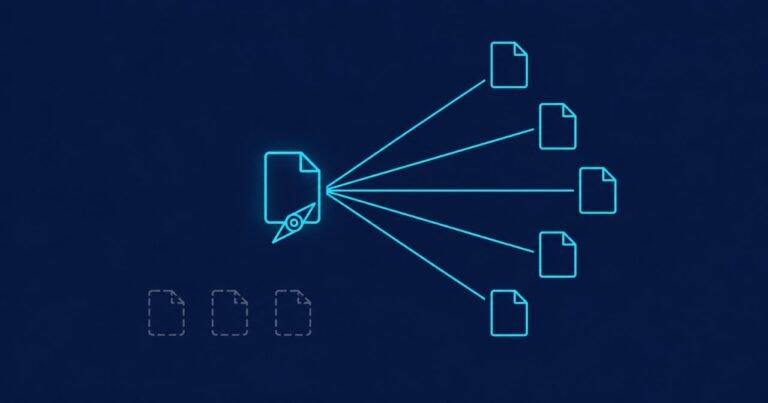
A gap analysis is built to answer one question: does a procedure exist for every area the Code requires one for. Run it against the functional requirements in ISM 1.4, or against a service like the SMS gap analysis and redesign work we run against SIRE 2.0, TMSA, and RightShip RISQ, and it will tell you, accurately, where the manual is silent. That’s a real and useful exercise, and it’s the right starting point for most SMS problems. It’s also a narrower exercise than people assume, because a manual that passes every one of those checks can still fail the only test that happens at sea
What the Gap Analysis Is Built to Catch
The mechanics are sound for what they’re checking. A reviewer works through the required areas — emergency preparedness, non-conformity reporting, maintenance, documentation control — and confirms a procedure exists, is assigned an owner, and is referenced correctly elsewhere in the manual. Where it doesn’t, that’s the gap, and it gets closed by writing the missing section. A safety management system with a genuine hole in ISM Section 8, Emergency Preparedness, is a real problem, and a structural review is exactly the tool that surfaces it — the same review that sits underneath a 30-40% reduction in SMS complexity when it’s done properly.
A TMSA self-assessment runs the same logic internally — declaring what the fleet can actually sustain against each element, not what it aspires to — but it’s still checking for presence, not access.
The Gap It Isn’t Built to Catch
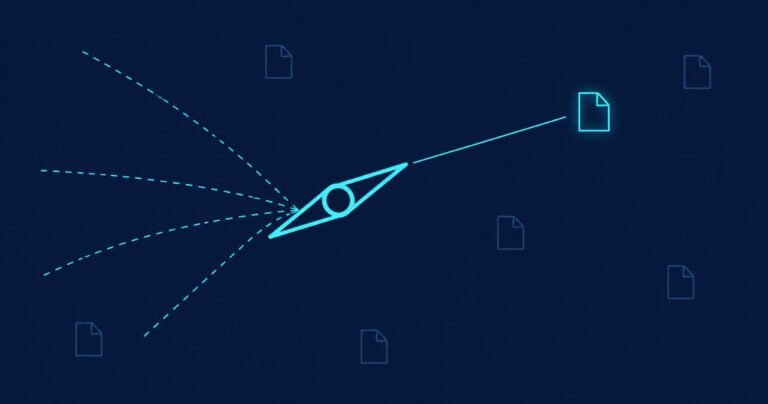
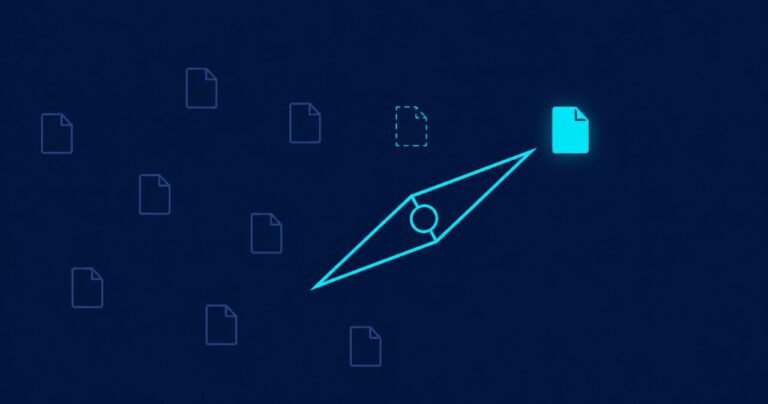
What it doesn’t check is search. ISM 11.2.1 requires that valid documents be available at all relevant locations — but “available” and “findable in the moment it’s needed” aren’t the same property, and a structural review has no way to test the second one. A 400-page manual with a complete, technically correct procedure for a fire damper fault is still a manual a Third Officer has to search by memory, under pressure, at whatever hour the fault actually happens. The review will mark that section present. It has no way of marking it found in under two minutes by someone who didn’t write it.
ISM 11.2.3 adds a second dimension to the same blind spot: obsolete documents should be promptly removed. In practice, on a manual that’s been through several rounds of amendment via email attachment and track-changes sign-off, “promptly” is doing a lot of work. Every fleet I’ve reviewed has at least one vessel working from a revision that’s technically superseded — not through negligence, but because redistribution is a manual step, and manual steps slip. A structural review checks whether the current procedure exists in the master document. It doesn’t check which version is actually open on a given bridge.
Language is the third gap, and it’s the one ISM addresses directly rather than by implication. Clause 6.6 requires that ship’s personnel receive relevant SMS information in a working language or languages they understand. Most fleets satisfy this at the level of the document — the manual is translated, or a summary is. What it doesn’t reach is the moment a crew member has to search for something under time pressure, in a second or third language, with no exact wording to search against. That isn’t a gap in the document. It’s a gap in the round trip.
Where Wayfinder Fits In
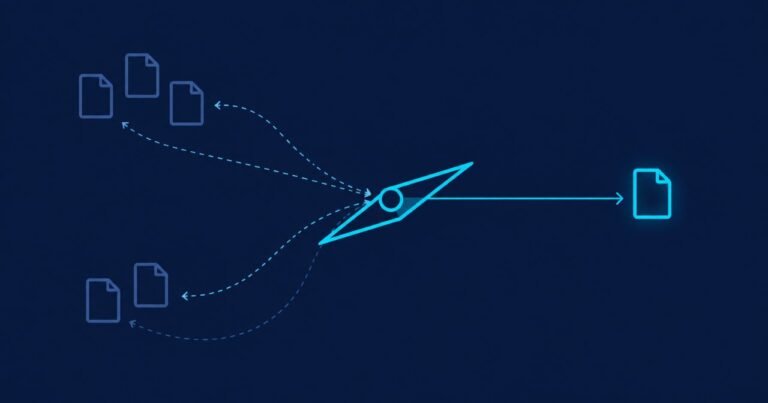
This is the specific problem Wayfinder is built to close, and it’s worth being precise about what that does and doesn’t mean. It doesn’t replace a structural gap analysis, and it doesn’t rewrite your SMS. It takes the manual as it already exists — Word, PDF, Excel, whatever format history left it in — and makes SMS search possible in plain language, including a language other than the one the manual was written in, with exact keyword matching tried first and AI-assisted search stepping in only when a question doesn’t share the manual’s own wording. When it does answer, it’s surfacing your procedure’s actual text, not generating a plausible-sounding one. And because edits go through the same draft-review-publish structure a Word document gets, “publish” means every vessel is reading the same current version — closing the same 11.2.3 gap a redistribution email is supposed to close but often doesn’t.
The Practical Point
A structural gap analysis and SMS search are answering two different questions, and passing one says nothing about the other. The manual can be complete against every ISM functional requirement and still be the reason a finding takes longer to close than it should — not because the procedure was wrong, but because nobody could reach it in the two minutes that mattered. Worth checking which of the two questions your last review actually asked.
Find out what SMS search looks like on your own manual →
More from the Wayfinder Series
→ Explore the Wayfinder Platform — See Wayfinder in Action