
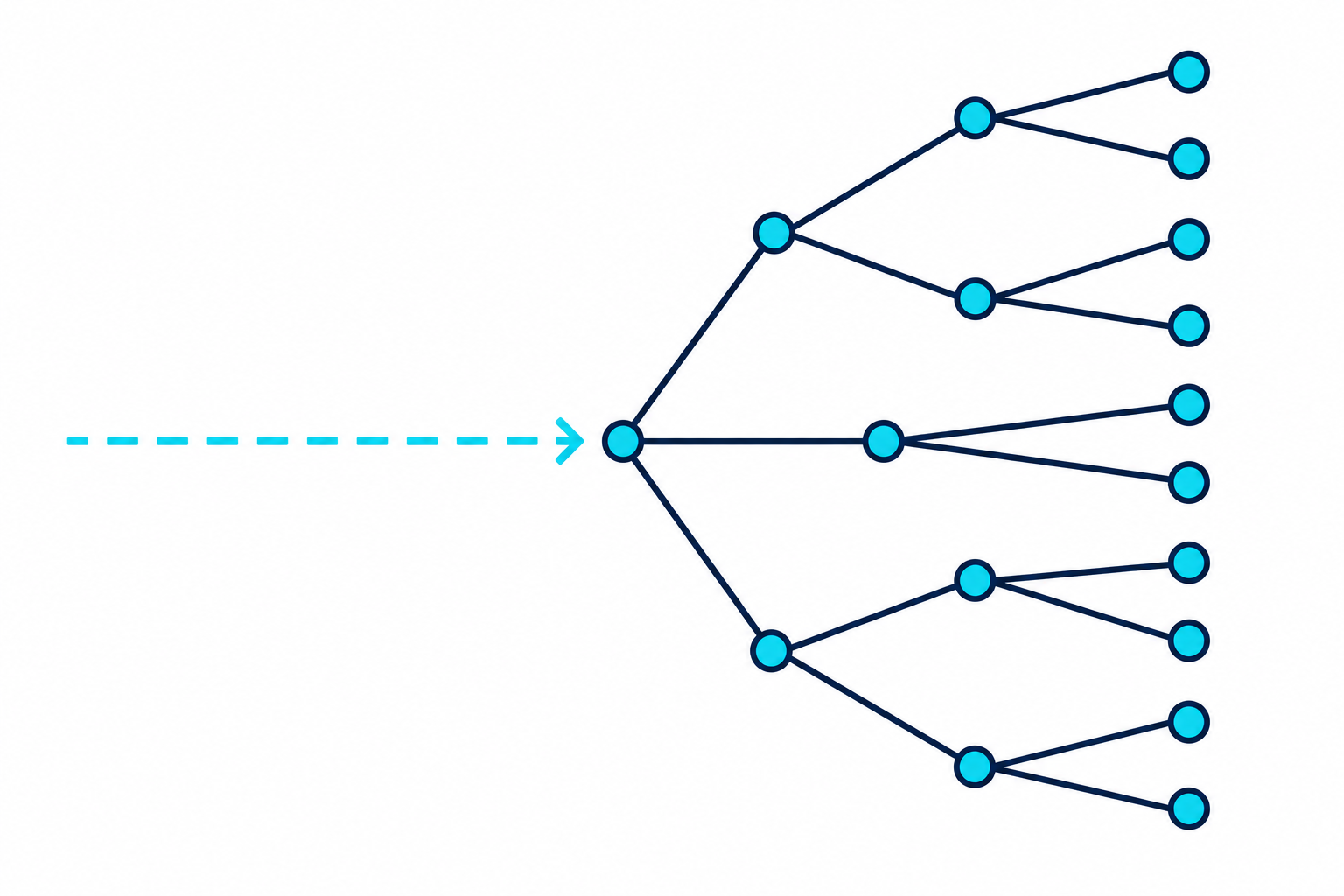
Ask most fleets how they do root cause analysis in shipping and the answer is usually the same: 5 Whys. Ask the same question about deficiency until you reach something that sounds like an explanation, write it down, close the finding. It’s fast, it’s familiar, and in my audit experience it’s also where most investigations stop one or two questions short of anything a fleet can actually act on.
That gap matters because two of the frameworks fleets are already working against ask for more than 5 Whys typically delivers. RISQ requires the vessel manager to provide “a meaningful root-cause analysis including corrective actions and sustainable long-term preventative actions for each finding within 15 days” — and the inspection stays open until that response is judged satisfactory. TMSA Element 8.2.1 asks for something similar: “a systematic methodology or tool to determine root causes,” not just an investigation, a method. Neither framework specifies which method. But “meaningful” and “systematic” are doing real work in that language, and 5 Whys on its own struggles to satisfy either.
Why 5 Whys Falls Short of Root Cause Analysis in Shipping
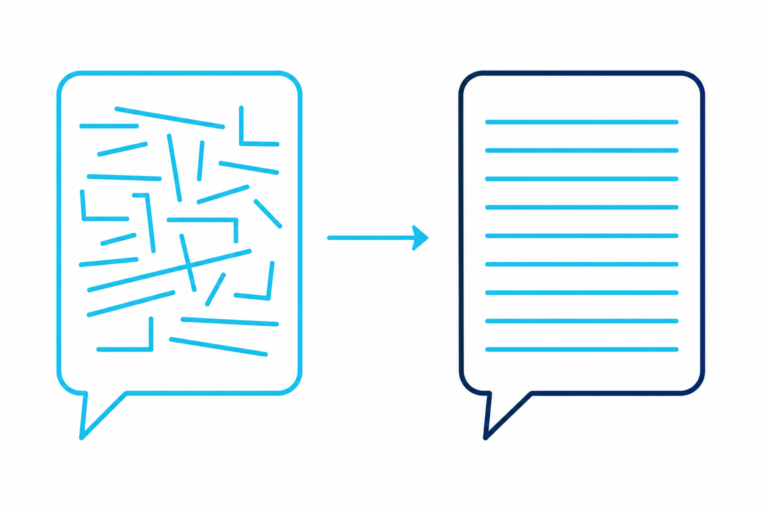
The technique itself isn’t wrong — it’s incomplete. Asking “why” repeatedly produces a single linear chain, and the chain ends wherever the investigator decides it ends. “Why did the mooring line part? Because it was overloaded. Why was it overloaded? Because the crew didn’t check the SWL.” That’s a perfectly coherent five-whys chain, and it’s also a chain that stops at the crew — an immediate cause — without ever reaching whether the SWL wasn’t documented, whether training on load limits was inadequate, or whether the SMS itself never specified a check procedure. Nothing about 5 Whys forces the investigator past the first answer that sounds sufficient.
What a Structured Technique Forces You to Do Differently
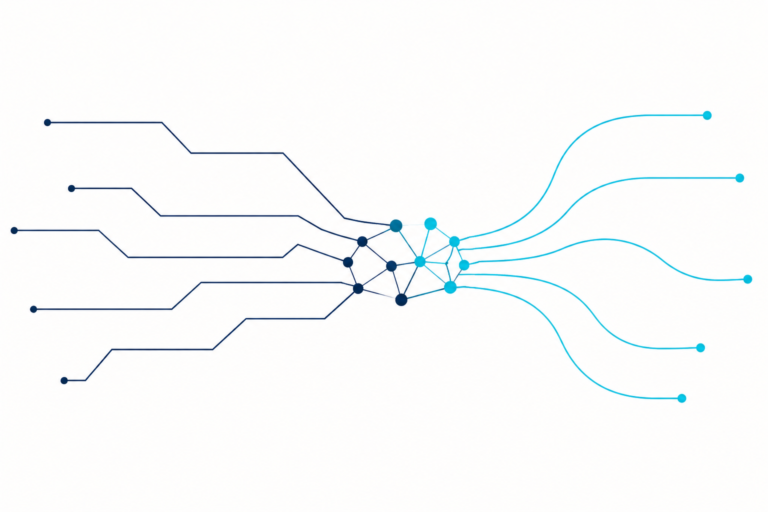
DNV’s Marine Systematic Cause Analysis Technique (MSCAT) is built around a different shape entirely. It doesn’t let an investigation stop at an immediate cause, because the framework has a second layer built in specifically to catch what 5 Whys misses. Immediate Causes — split into Substandard Acts and Substandard Conditions — capture what actually happened at the point of failure. But the technique then requires the investigation to continue into Basic Causes, split explicitly into Personal Factors and Job/System Factors, and finally into a defined set of Control Areas for Improvement Actions, each classified as a System gap, a Performance Standard gap, or a Compliance gap.
That structure means the mooring line example can’t stop at “the crew didn’t check the SWL.” The technique forces the investigator to ask which Basic Cause sits underneath that — inadequate training (5.3, Inadequate initial training), inadequate standard (16.3, Inadequate standard from supplier/contractor), or inadequate supervision (9.1) — and then to classify whether the gap is a missing system, a missing performance standard, or a compliance failure against a standard that already exists. Those are three very different corrective actions, and 5 Whys doesn’t naturally surface the distinction between them.
Why the 15-Day Window Makes the Method Matter
RISQ’s closeout requirement isn’t just asking for a written explanation within 15 days — it’s asking for something the inspector can judge as “meaningful,” and inspectors have seen enough generic 5-Whys answers to recognise one immediately. “Reminded crew of correct procedure” as a corrective action, with no Basic Cause identified and no distinction between a training gap and a documentation gap, reads exactly like what it is: an answer built to close the finding rather than to prevent it recurring.
A response built on a Basic Causes / Control Area structure looks different because it is different — it names the system or standard that failed, not just the person who was standing nearest to the failure. That’s the same distinction between a closed finding and a genuinely closed problem — closing the paperwork isn’t the same as closing the gap.
Where MarineKPI Fits In
The other advantage of a coded technique like MSCAT, beyond producing a better single answer, is that coded causes are countable across a fleet in a way that free-text 5-Whys narratives never are. “Inadequate initial training” showing up against three separate findings across three different vessels is a visible fleet-wide pattern the moment it’s logged consistently — not something a manager has to notice by reading through a stack of closeout reports and recognising the same story told three different ways. That’s what a connected inspection record makes possible: root causes logged in a structured taxonomy rather than a paragraph, so the same Basic Cause repeating across the fleet is something a manager can see, not something they have to remember.
The other advantage of a coded technique like MSCAT, for root cause analysis in shipping specifically, is that coded causes are countable across a fleet in a way that free-text 5-Whys narratives never are.
The Practical Point
5 Whys isn’t wrong to use — it’s a fine starting question. The problem is treating it as the whole investigation rather than the first few steps of one. RISQ and TMSA are both explicitly asking for something more structured than that, and a technique built to force the investigation past the first plausible answer is what actually produces the “meaningful” and “systematic” analysis both frameworks require — not just a faster way to close the finding.
More from the MarineKPI Series
- The Officer Wrote It Correctly. The Auditor Can’t Read It: The Language Barrier in RISQ Findings
- One Finding, Five Frameworks: Why Vetting Inspection Findings Don’t Line Up
- The RISQ DryBMS Question Nobody Has to Verify — Yet
- TMSA and DryBMS Compliance: What Both Standards Actually Require From Your Evidence